What’s a Physical Security Token? Do You Really Need One?
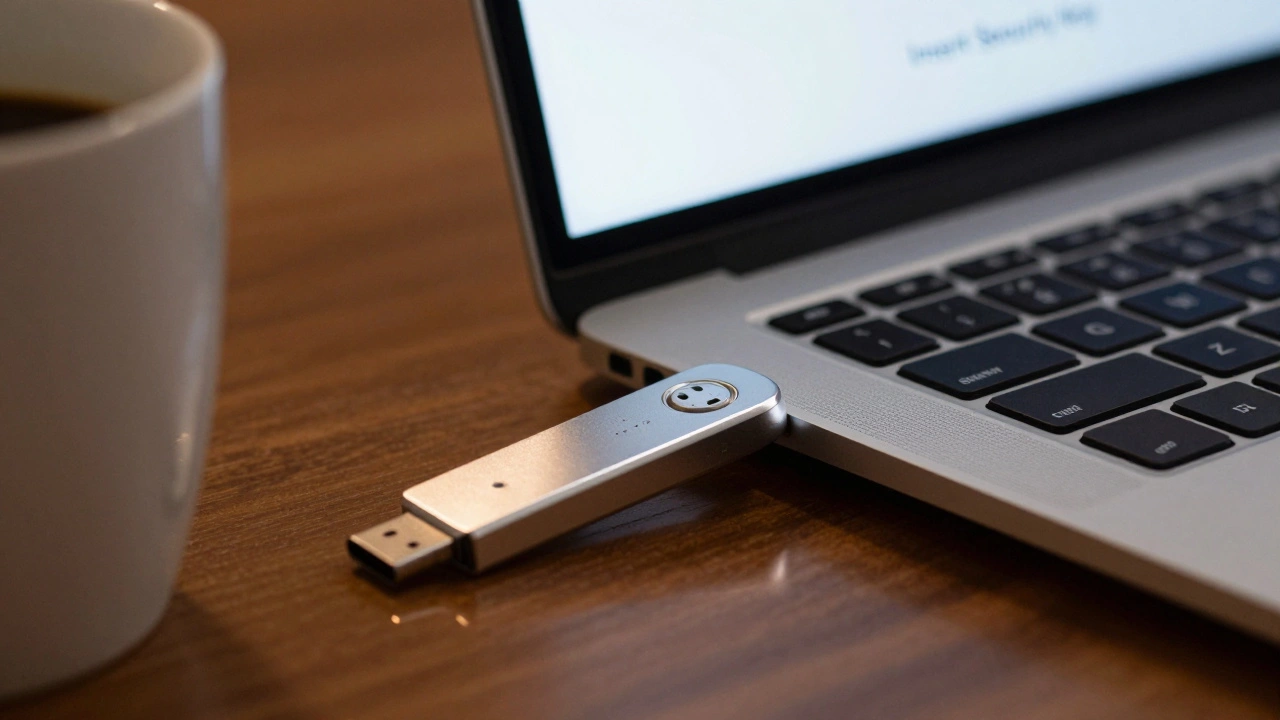
Ever get that sinking feeling when you hear about another account hack? It’s not just weak passwords anymore. Even if you use a strong one, someone could still steal it through phishing, malware, or a data breach. That’s where a physical security token comes in - a small device you plug in or tap to prove it’s really you. Unlike codes sent to your phone, this thing doesn’t rely on networks or apps. It’s hardware. And it’s one of the most reliable ways to lock down your accounts today.
If you’ve ever searched for escortnparis, you know how easy it is to click on something that looks harmless. But your email, bank, or work account? Those aren’t worth risking. A physical token doesn’t care if you clicked a bad link. It won’t send a code to a compromised phone. It stays in your pocket until you need it.
How a Physical Security Token Works
Think of it like a digital key. You plug it into your computer’s USB port, tap it against your phone’s NFC reader, or insert it into a card slot. When you log in, the system asks for this token. You press a button on it. That’s it. No typing. No waiting for a text. The token generates a unique, time-based code that only works once and only for that login attempt.
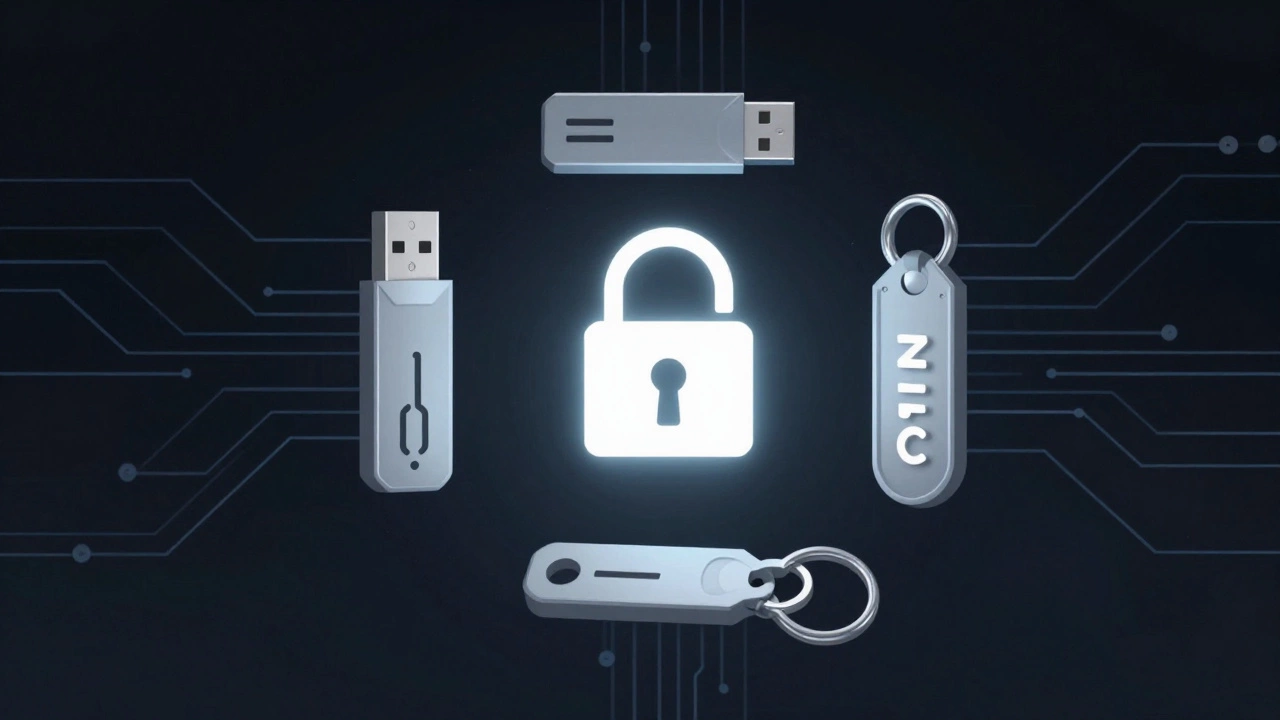
It’s built on open standards like FIDO2 and WebAuthn. These aren’t secret tech - they’re backed by Google, Apple, Microsoft, and the FIDO Alliance. Companies like Yubico and Feitian make these devices. The most common ones look like a USB stick, a key fob, or a credit card-sized chip. Some even double as Bluetooth or NFC keys for phones.
Why It’s Better Than SMS or App-Based 2FA
You might be using two-factor authentication already. Maybe you get codes via text message or through an app like Google Authenticator. But here’s the problem: SMS can be hijacked. Attackers can trick your phone carrier into transferring your number. Apps? They can be stolen if your phone is compromised. And if you lose your phone, you’re locked out.
A physical token doesn’t have those flaws. It doesn’t connect to the internet. It doesn’t store your password. It doesn’t even know your account details. It just proves you’re holding the right device. Even if someone has your password, they can’t log in without the token in hand. That’s why banks, governments, and tech giants like Microsoft and Apple recommend them for high-risk accounts.
Do You Really Need One?
Not everyone needs a physical token. If you’re just checking Netflix or browsing Reddit, maybe not. But if you use the same password for your email, bank, or work account - you do. And if you’ve ever been locked out of your own account after a hack? You’re already one step ahead of most people.
Here’s who should get one:
- Anyone with access to financial accounts or cryptocurrency wallets
- Remote workers using company systems
- People who’ve been phished before
- Anyone who values privacy over convenience
It’s not about being paranoid. It’s about knowing that passwords alone are dead. And if you’re serious about security, you need something that doesn’t rely on someone else’s network - like your phone carrier or Google’s servers.
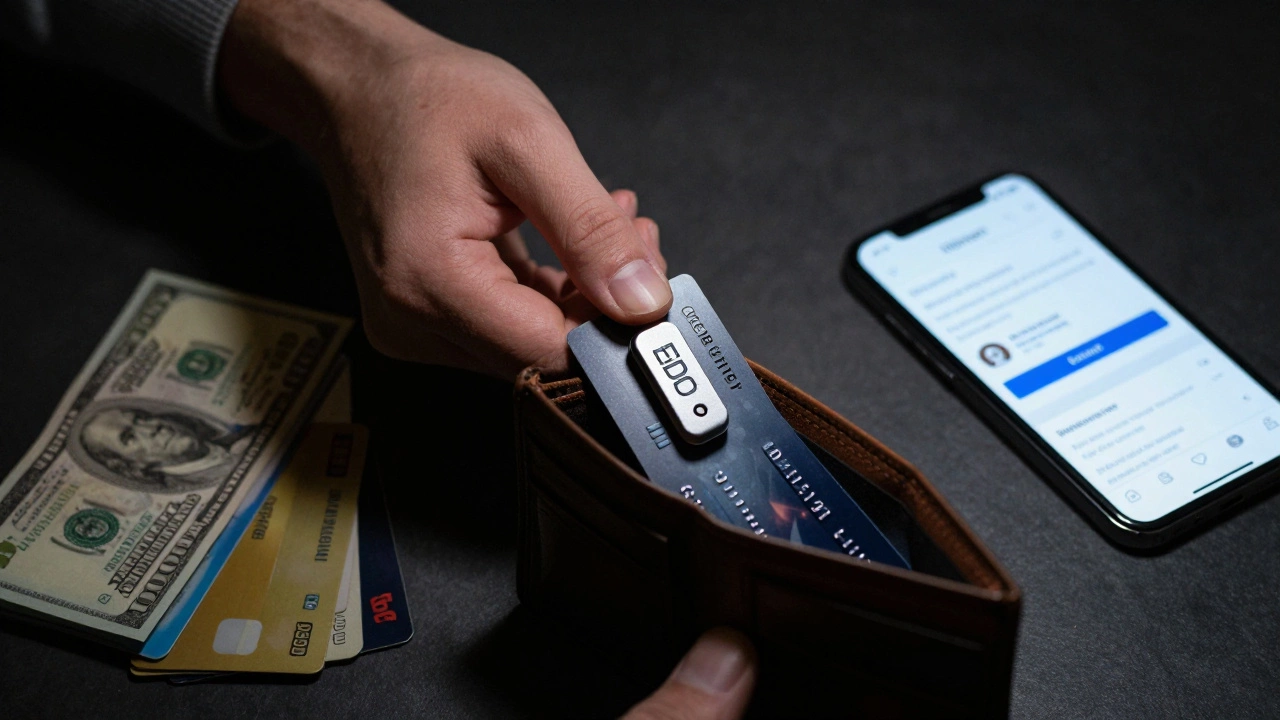
What to Look for When Buying One
Not all tokens are the same. Here’s what matters:
- Compatibility: Make sure it works with your devices. USB-A? USB-C? NFC? Bluetooth? Pick one that matches your laptop and phone.
- Standards: Look for FIDO2/WebAuthn support. Avoid older U2F-only tokens unless you’re sure your services still use them.
- Build quality: You don’t want it breaking after a drop. YubiKey 5 Series is widely trusted. So is the Solo Key or Titan Security Key.
- Price: You can get a solid one for $25-$50. Don’t buy the $10 no-name brand on Amazon. They often lack updates or support.
Some tokens even let you store multiple accounts. You can register your Google, Dropbox, GitHub, and LastPass all on one device. That means one key, dozens of accounts protected.
What Happens If You Lose It?
Good question. That’s why every service that supports physical tokens also lets you register backup methods. Usually, you’ll set up a second token - or a recovery code you print and store in your wallet. Some people even keep one token at home and one in their work bag.
Never rely on just one. Treat it like a house key. If you lose it, you need a spare. Most services let you add a backup token in your account settings. Do it now. Don’t wait until you’re locked out.
Real-World Use Cases
One user in Austin started using a YubiKey after her LinkedIn account was hijacked. The hacker changed her email and password. She lost three months of job leads. Now she uses the token for everything - even her personal Gmail. She says it’s the only thing that gives her peace of mind.
Another person, a freelance designer, uses a token to log into his cloud storage. He used to write passwords on sticky notes. Now he keeps the token in his wallet. He says it’s easier than remembering 12-character passwords.
And yes - even if you’re not a tech expert, you can use one. Plug it in. Press the button. Done. No apps to install. No codes to copy. No waiting.
Myth Busting
Myth: “I’m not important enough to be hacked.”
Truth: Hackers don’t care who you are. They scan for weak accounts and sell them in bulk. Your email might be used to reset passwords for your bank, Amazon, or Spotify. It’s not about fame - it’s about access.
Myth: “It’s too complicated.”
Truth: It’s simpler than typing a password. You press a button. That’s it.
Myth: “I already have 2FA.”
Truth: SMS and app-based 2FA are better than nothing. But they’re still vulnerable. A physical token is the next level.
Myth: “I’ll just use my phone.”
Truth: Your phone is the most common target. If it’s lost, stolen, or hacked - your 2FA is gone too. A token is independent.
And yes - if you’ve ever searched for prostitutes en paris, you know how easy it is to stumble into dangerous sites. A physical token won’t stop you from clicking bad links. But it will stop those links from stealing your identity.
Final Thoughts
Security isn’t about being perfect. It’s about making it harder for hackers to succeed. A physical security token raises the bar so high that most attackers move on to easier targets. It’s not magic. It’s just smart.
You don’t need to secure everything at once. Start with your email. Then your bank. Then your cloud storage. Add one token. Register a backup. Done.
It’s not expensive. It’s not complicated. And it’s one of the few security tools that actually works - no matter how clever the hacker is.
And if you’re still wondering whether it’s worth it - ask yourself this: Would you leave your front door unlocked because you think no one would break in? A physical token is your digital lock. And it’s time to use it.
Because sometimes, the simplest thing - a tiny piece of hardware you carry in your pocket - is the only thing standing between you and disaster.
And yes - if you’ve ever looked up escorte parsi, you know how quickly things can go wrong online. Don’t let your accounts be the next victim.